explore exotic destinations on a budget
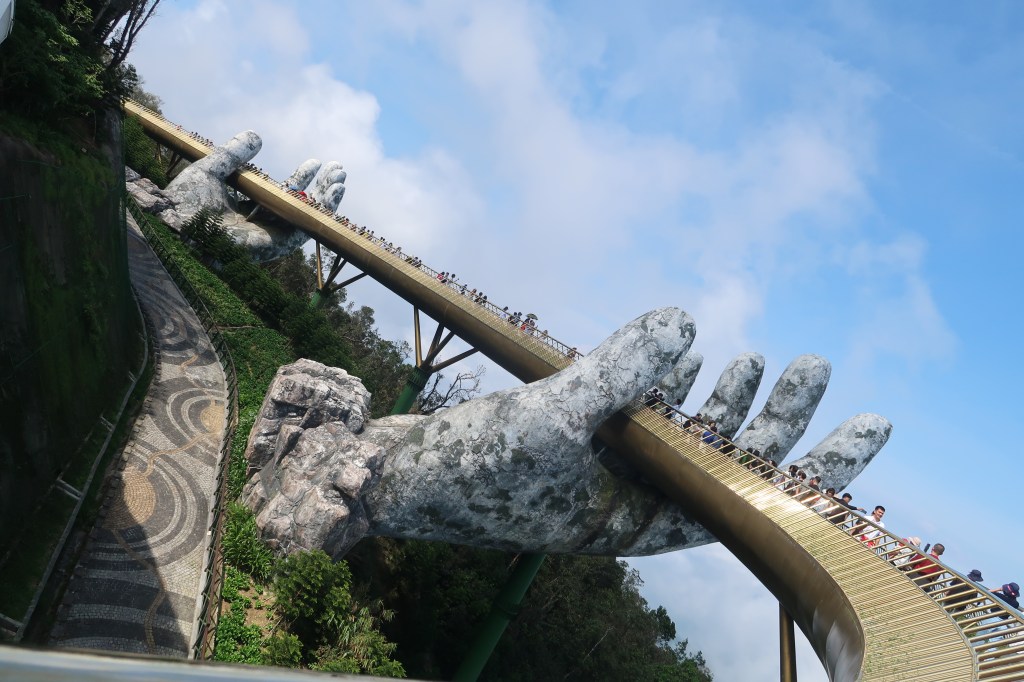
The Southeast Asia backpacker route is a well established one dating back to the 1960’s. The route usually begins in Thailand, and moves through countries such as Laos, Cambodia, Vietnam, The Philippines, and Indonesia, before moving towards Singapore and Malaysia. There is of course, some variations to this depending on the individual traveler.
I backpacked across Southeast Asia in 2022 and spent a total of 6 months in the region and know it very well. This region is great for every type of traveler, be it couples, groups, or solo travelers. There is a huge backpacking community in Southeast Asia and there really is something for every one and every budget.
This ultimate Southeast Asia travel guide will unlock expert tips for an unforgettable journey in this captivating region. Maximize your savings and optimize your time with this comprehensive guide, allowing you to navigate like a seasoned traveler through the enchanting landscapes, vibrant cultures, and exciting experiences that Southeast Asia has to offer. Explore this stunning corner of the world with confidence, equipped with money-saving strategies and insider knowledge to make every moment count. Unleash the potential of your Southeast Asia adventure with this essential travel guide.
table of contents
When to travel to Southeast asia
From November until April are considered the best months to travel to Southeast Asia However it does vary from country to country but generally this period of time in Southeast Asia sees cooler and dryer weather. Broken down below, is the various regions and the best time to visit each one.
Thailand
Thailand has three seasons, the Cool or dry season, the hot season and the wet season. Thailand is warm year round, but the best time to visit is between November and February. It is worth noting that although this is peak tourist season, Bangkok is the coolest and driest during this time with the average temperature sitting at around 29 degrees Celsius. April and May are considered to be the hottest months. After this, Thailand has the wet season from June to October. However the gulf islands can be quite rainy from august until December. When I visited the islands of Koh Lanta, Ko Yao, and Koh Phi Phi, in November 2022, it was raining lot of the time, even though it was during the “dry season”.
cambodia
Experience Cambodia’s distinct seasons throughout the year. The dry season runs from November to April and offers sunny days and comfortable temperatures, perfect for exploring ancient temples like Angkor Wat. The hot season from March to May brings higher temperatures and is ideal for beach destinations such as Sihanoukville and Koh Rong. The rainy season from May until October brings lush green landscapes and occasional showers, but it’s also a great time to visit lesser-known sites like Battambang. Each season offers unique opportunities to discover Cambodia’s rich history, natural beauty, and vibrant culture. Plan your visit accordingly for an unforgettable adventure.
Laos
Laos experiences distinct seasons throughout the year, offering diverse travel experiences. The cool and dry season from November to February, provides pleasant temperatures, making it an excellent time to explore Luang Prabang and the Mekong River. The hot and dry season from March to May, brings higher temperatures, perfect for adventures in Vientiane and the Bolaven Plateau. The rainy season from June to October, offers lush landscapes and occasional showers, ideal for exploring the scenic beauty of the Plain of Jars and the 4000 Islands. Plan your visit to Laos based on the season that aligns with your preferred activities and weather preferences.
Vietnam
In Vietnam, Spring is from February until April, and this period of time brings pleasant temperatures and blooming flowers. Summer from May to August, offers hot and humid weather, perfect for coastal getaways. From September until November comes Autumn, and features cooler temperatures, ideal for outdoor adventures. Winter in December and January, brings a cooler climate and misty days, with cultural festivities during Tet. Whether you’re seeking beach activities, trekking, or cultural experiences, Vietnam has something for every season. Plan your visit to experience the best of Vietnam’s climate and create unforgettable memories.
Indonesia
Indonesia’s tropical climate brings diverse seasons across its vast archipelago. The dry season from April to October, offers warm and sunny weather, perfect for exploring Bali’s beaches or diving in the Gili Islands. The wet season from November to March, brings occasional showers and lush green landscapes, ideal for visiting cultural sites like Yogyakarta or experiencing the orangutans in Borneo. Each region in Indonesia may have slight variations in weather patterns, so it’s important to plan accordingly. Whether you seek beach relaxation, cultural immersion, or wildlife encounters, Indonesia’s seasons provide unique opportunities for unforgettable adventures.”
The Philippines
Malaysia
Malaysia’s climate offers a tropical experience with two primary seasons. The dry season from March to October, brings sunny days and is ideal for exploring Kuala Lumpur’s cityscape or relaxing on the pristine beaches of Langkawi. The wet season from November to February, brings occasional showers and is perfect for visiting the lush rainforests of Borneo or experiencing cultural gems like Georgetown in Penang. Malaysia’s weather patterns can vary across different regions, so it’s important to plan accordingly. Whether you seek urban adventures, beach getaways, or nature exploration, Malaysia’s seasons provide a range of options for memorable experiences.”
Generally, the time period between November-April is the best time to plan your Southeast Asia trip.
Popular things to do in southeast asia
Visit an Elephant sanctuary
Experience the magic of an elephant sanctuary in Southeast Asia. Witness these magnificent creatures in their natural habitat, while supporting conservation efforts. Engage in meaningful interactions, learn, and create lasting memories. Please do your research about ethical sanctuaries and NEVER visit any establishment that offers elephant rides as it is highly abusive and causes the elephants to suffer. A great ethical sanctuary that I visited is Elephant Retirement Park in Chiang Mai, Thailand. It was obvious that they really cared for their elephants. A tour lasting 5-6 hours, will cost you around 2500 baht (€70/$74). The price includes lunch and pickup and drop-off to your accommodation in Chiang Mai.
Learn to scuba dive
Discover the wonders beneath the waves in Southeast Asia. Learn to scuba dive and unlock a world of breathtaking marine beauty. Dive into adventure, explore diverse underwater ecosystems, and make Southeast Asia your ultimate scuba diving destination. Immerse yourself in vibrant coral reefs and swim with turtles in the Philippines, encounter awe-inspiring marine life in Indonesia’s Komodo National Park, and explore the underwater paradise of Thailand’s Similan Islands. Dive into unforgettable adventures, including the renowned diving destination of Koh Tao, making Southeast Asia a scuba diver’s dream come true. I learned to scuba dive in Koh Tao in Thailand in December 2022 with Roctopus Dive School. A try dive will cost you 2600 Baht (€70/$74), while an Advanced or open water course will cost you around 11,000 Baht (€294/$316).
Visit temples
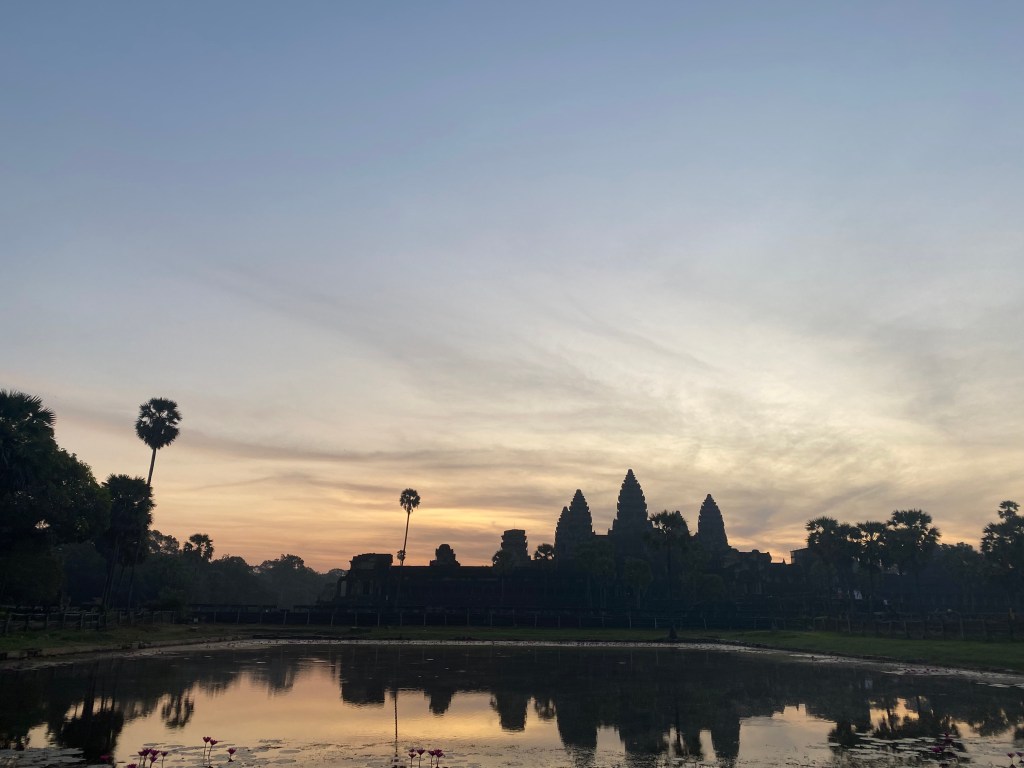
Embark on a spiritual journey through Southeast Asia’s captivating temples. Witness the grandeur of the worlds largest temple complex Angkor Wat in Cambodia and watch the sunrise over the temple, with a private tuk-tuk costing just $20-$25 for 7-8 hours. Explore the tranquility of Vietnam’s Bai Dinh Pagoda, and experience the serenity of Thailand’s Wat Arun. Immerse yourself in rich cultural heritage, intricate architecture, and profound spirituality. Unveil the mystique of Southeast Asia’s temple wonders today. Remember to dress appropriately and respectfully while visiting the temples by wearing clothes that cover your knees and shoulders.
Go island hopping
Set sail on a captivating island-hopping adventure in Southeast Asia. Explore the pristine beaches of Thailand’s Phi Phi Islands, discover the untouched beauty of Indonesia’s Gili Islands, and unwind on the picturesque shores of the Philippines’ Palawan. Hop from one tropical paradise to another, indulging in turquoise waters, vibrant marine life, and breathtaking sunsets. Experience the ultimate island escape in Southeast Asia today. My favourite islands that I visited were the Koh Yao islands in Thailand.
Try the street food
Enjoy a mouthwatering culinary journey through Southeast Asia’s vibrant street food scene. Sample yellow noodles, roti, dumplings and fried ice cream from Thailand’s bustling night markets, savor the aromatic flavors of Vietnam’s pho and banh mi, and indulge in Malaysia’s savory satay and nasi lemak. Let your taste buds dance with the diverse and tantalizing street food offerings across the region. Immerse yourself in the local culture and discover the irresistible flavors of Southeast Asia’s street food delights today. You can take a cooking class for around $30 and learn first hand how to make these tasty dishes.
Get a massage
Experience a blissful relaxation journey through Southeast Asia’s renowned massage traditions. Enjoy the rejuvenating touch of Thai massage in Thailand, unwind with a soothing Balinese massage in Indonesia, or indulge in a traditional Filipino hilot massage. There is countless massage establishments in Southeast Asia and a massage will run you on average about $10-$20 per hour.
Shop at the night markets
Embark on an enchanting adventure through Southeast Asia’s lively night markets. In Thailand, discover the bustling energy of Bangkok’s Chatuchak Market. Vietnam’s Hoi An Night Market captivates with its lantern-lit charm. Cambodia’s Angkor Night Market offers a unique blend of shopping and cultural experiences. Indulge in local flavors, handicrafts, and captivating atmospheres. At the night markets, you can discover local treasures, while indulging in mouthwatering street food all at an insanely low price.
Go to Thailand’s full moon party
Experience the electrifying energy of Thailand’s legendary Full Moon Party. Held on the pristine beaches of Koh Phangan, this iconic event lures revelers from around the world. Dance under the moonlight, enjoy breathtaking fire shows, and embrace the vibrant atmosphere. Celebrate all night long amidst music, neon lights, and unforgettable memories. You can get neon body paint applied and glow in the moonlight. You can get a bucket of alcohol and it will cost you about 300 Baht (€8/$8).
Explore Singapore’s gardens by the bay
Explore the awe-inspiring Supertrees, stroll through the enchanting Flower Dome, and marvel at the futuristic Cloud Forest. Discover a world of lush greenery, captivating exhibits, and stunning views. Let Gardens by the Bay transport you to a botanical wonderland like no other. The general admission to Gardens by the Bay in Singapore is free, allowing visitors to explore the outdoor gardens and enjoy the beautiful surroundings. However, there are separate fees for certain attractions within Gardens by the Bay, such as the Cloud Forest and Flower Dome conservatories. The ticket prices for these attractions range from around $12 to $28 for adults, with discounted rates available for children, seniors, and local residents.
where to stay in southeast asia
Southeast Asia has lots of different options for accommodation. Some of these include, Hotels, Hostels, Homestays, Resorts, Guesthouses. Accommodation in Southeast Asia is incredibly cheap, making it budget friendly. You will usually pay a bit extra for a room with air conditioning than you will for a fan room. My advice is to go for the fan room in the months of November, December and January as the night time will be cooler. If you can manage a basic room with a not-so-comfy bed, then you can get seriously cheap accommodation.
Thailand
Budget-friendly hostels can start at around 150-500 THB (€4-13, $5-16) per night. Mid-range options like guesthouses and boutique hotels range from 1,000-3,000 THB (€26-78, $31-94) per night. Luxury resorts and high-end hotels can range from 3,000-15,000 THB (€78-389, $94-470) per night or more, depending on the location and amenities offered.
Laos
Budget-friendly guesthouses and hostels can start at around 50,000-100,000 LAK (€5-10, $6-12) per night. Mid-range options like hotels and resorts range from 300,000-600,000 LAK (€30-60, $36-72) per night. Luxury accommodations can cost upwards of 1,000,000 LAK (€100, $120) per night, offering high-end amenities and services.
Cambodia
Budget-friendly guesthouses and hostels can start at around 30,000-60,000 KHR (€6-12, $7-14) per night. Mid-range options like hotels and resorts range from 80,000-150,000 KHR (€16-30, $19-36) per night. Luxury accommodations can cost upwards of 200,000 KHR (€40, $48) per night
Vietnam
Budget-friendly guesthouses and hostels can start at around 150,000-300,000 VND (€6-12, $7-14) per night. Mid-range options like hotels and resorts range from 500,000-1,500,000 VND (€20-60, $24-72) per night. Luxury accommodations can cost upwards of 2,000,000 VND (€80, $96) per night.
The philippines
Budget-friendly guesthouses and hostels can start at around 500-1,500 PHP (€8-24, $9-29) per night. Mid-range options like hotels and resorts range from 2,000-5,000 PHP (€32-80, $38-96) per night. Luxury accommodations can cost upwards of 8,000 PHP (€128, $153) per night
Indonesia
Budget-friendly guesthouses and hostels can start at around 100,000-300,000 IDR (€6-18, $7-22) per night. Mid-range options like hotels and resorts range from 400,000-1,000,000 IDR (€24-60, $29-73) per night. Luxury accommodations can cost upwards of 1,500,000 IDR (€90, $110) per night.
Singapore
Budget-friendly options like hostels and guesthouses can start at around 50-100 SGD (€30-60, $36-73) per night. Mid-range hotels and serviced apartments range from 150-300 SGD (€90-180, $110-220) per night. Luxury accommodations can cost upwards of 400 SGD (€240, $290) per night
Malaysia
Budget-friendly guesthouses and hostels can start at around 50-100 MYR (€10-20, $12-24) per night. Mid-range options like hotels and resorts range from 150-300 MYR (€30-60, $36-73) per night.
How to get around
Public transportation in Southeast Asia offers a convenient and diverse way to explore the region. From bustling metro systems in cities like Bangkok and Singapore each country has its unique transportation options. Whether it’s riding on traditional wooden boats along the rivers of Cambodia or hopping on a vibrant bus in Indonesia. If you are hailing a taxi you should ensure that they use the meter, or agree on the price before-hand as they often times try to overcharge tourists.
Thailand
Local public bus is the cheapest way to go from place to place. Local buses in Thailand cost approximately 8 THB per trip (€0.21/$0.23). In the capital of Bangkok, the Skytrain and the metro costs approximately 16-60 THB per journey (€0.42/$0.46-€1.60-$1.72). You can use the grab app in Phuket and Bangkok, which offers taxi rides at reasonable prices.
Laos
Public buses in Laos offer a cost-effective and convenient way to explore the beautiful landscapes and cultural treasures of this Southeast Asian gem. Fares for public buses typically range from 10,000 to 30,000 Lao Kip (LAK), which is approximately $1 to $3. Taxis offer a comfortable and reliable way to get around. Prices typically range from 20,000-50,000 LAK (€2-5, $2-6) for short distances
Cambodia
Public buses in Cambodia are not only a convenient mode of transportation but also budget-friendly. You can hop on a local bus for as little as $2 to $5, depending on the distance and route. Taxis provide a comfortable and convenient way to get around. Prices typically range from 10,000-30,000 KHR (€2-6, $2-7) for short distances
Vietnam
Public buses in Vietnam offer an economical way to navigate the country’s diverse landscapes and bustling cities. With fares typically ranging from 10,000 to 30,000 Vietnamese Dong (VND), which is less than $2. Taxis offer a comfortable and reliable way to get around. Prices typically range from 15,000-50,000 VND (€0.5-2, $0.6-2.5) per kilometer, depending on the city and taxi company.
Philippines
Public buses in the Philippines offer an affordable way to get around and explore the archipelago. Fares typically range from 10 to 30 Philippine Pesos (PHP), which is around $0.20 to $0.60. Taxis offer a comfortable and reliable way to get around. Prices typically start at around 40-70 PHP (€0.7-1.2, $0.8-1.4) for the initial flag-down rate and around 13-15 PHP (€0.2-0.3, $0.2-0.4) per kilometer thereafter
Indonesia
Public buses in Indonesia provide a cost-effective means of transportation for exploring this diverse country. Fares are typically affordable, ranging from 3,000 to 10,000 Indonesian Rupiah (IDR), which is roughly $0.20 to $0.70. Prices for taxi’s typically start at around 5,000-7,000 IDR (€0.3-0.4, $0.4-0.5) for the initial flag-down rate and around 3,000-4,000 IDR (€0.2-0.3, $0.2-0.4) per kilometer thereafter
Singapore
Public buses in Singapore offer a reliable and efficient way to navigate the city-state’s modern and well-transportation system. Fares for public buses start at 83 cents for basic rides and vary based on distance traveled. With an extensive network covering the entire island, you can easily explore popular attractions such as Marina Bay, Orchard Road, and Sentosa Island. Enjoy air-conditioned comfort, real-time bus arrival information, and seamless connectivity while experiencing the convenience of Singapore’s public bus system.Taxis provide a comfortable and efficient way to get around. Prices typically start at around 3-4 SGD (€1.8-2.4, $2.2-2.9) for the initial flag-down rate and around 0.22-0.35 SGD (€0.13-0.21, $0.15-0.26) per kilometer thereafter
Malaysia
Fares for public buses in Malaysia typically range from 1 to 5 Malaysian Ringgit (MYR), which is around $0.24 to $1.20. Taxi prices typically start at around 3-6 MYR (€0.6-1.2, $0.7-1.4) for the initial flag-down rate and around 1.20-2.00 MYR (€0.2-0.4, $0.2-0.5) per kilometer thereafter
what to eat
Thailand: Thai cuisine includes popular dishes like Pad Thai, Green Curry, Tom Yum soup, and Mango Sticky Rice for a mouthwatering culinary experience in Thailand. Thai street food offers excellent value for money compared to Western food. While a typical Western meal at a restaurant can cost around 300-500 Thai Baht (approximately $9-15), you can savor a flavorful and satisfying street food meal for as low as 30-60 Thai Baht (approximately $1-2).
Laos: In Laos, street food offers exceptional value for your money compared to Western cuisine. While dining at a Western-style restaurant can cost around 60,000-120,000 Lao Kip (approximately $6-12), you can enjoy a delicious and satisfying street food meal for as little as 10,000-30,000 Lao Kip (approximately $1-3). Indulge in flavorful dishes like sticky rice, noodle soups, grilled meats, and fresh tropical fruits without straining your budget.
Cambodia: In Cambodia, dining at a Western-style restaurant can cost around 15,000-30,000 Cambodian Riel (approximately $3.75-7.50), you can relish a tasty and satisfying street food meal for as low as 4,000-10,000 Cambodian Riel (approximately $1-2.50). From mouthwatering dishes like Khmer noodles and Amok curry to flavorful grilled skewers and refreshing fruit shakes.
Vietnam: Dining at a Western-style restaurant in Vietnam can cost around 150,000-300,000 Vietnamese Dong (approximately $6-12), you can savor a delicious and filling street food meal for as little as 20,000-40,000 Vietnamese Dong (approximately $1-2). Treat your taste buds to iconic dishes like pho, banh mi, fresh spring rolls, and Vietnamese iced coffee
The Philippines: dining at a Western-style restaurant can cost around 200-400 Philippine Pesos (approximately $4-8), you can relish a flavorful and satisfying street food meal for as low as 20-50 Philippine Pesos (approximately $0.40-1). Indulge in local favorites such as chicken barbecue, fish balls, halo-halo (a refreshing dessert), and crispy pork belly.
Indonesia: Western-style restaurant can cost around 60,000-150,000 Indonesian Rupiah (approximately $4-10), you can enjoy a delectable and satisfying street food meal for as low as 10,000-30,000 Indonesian Rupiah (approximately $0.70-2). Feast on mouthwatering dishes like nasi goreng (fried rice), satay skewers, gado-gado (vegetable salad), and martabak (stuffed pancake)
Singapore: Dining at a Western-style restaurant can cost around 20-40 Singapore Dollars (approximately $15-30), you can relish a flavorful and satisfying street food meal for as low as 3-6 Singapore Dollars (approximately $2-4). Indulge in local favorites like Hainanese chicken rice, char kway teow, laksa, and roti prata.
Malaysia: Western-style restaurant can cost around 20-50 Malaysian Ringgit (approximately $5-12), you can savor a flavorful and satisfying street food meal for as low as 5-10 Malaysian Ringgit (approximately $1-2). Delight in popular dishes like nasi lemak, satay, roti canai, and char kway teow
safety tips
When traveling to Southeast Asia, prioritizing your safety is crucial. Here are some essential safety tips to keep in mind:
- Stay vigilant and aware of your surroundings at all times.
- Secure your belongings and avoid displaying valuable items.
- Follow local regulations and respect cultural customs.
- Use reliable transportation services and be cautious with taxis or rideshares.
- Research and plan your routes in advance.
- Stay in well-lit and reputable accommodations.
- Stay updated on local news and advisories.
- Trust your instincts and avoid risky or uncomfortable situations.
- Stay connected with friends and family, sharing your travel plans with them.
- Stay informed about common scams and tourist-targeted crimes.
common scams to be mindful of
Tuk-tuk or taxi overcharging: Some drivers may try to negotiate exorbitant fares or take longer routes to inflate the fare. Insist on using the meter or agree on a price upfront.
Street vendors and counterfeit goods: Exercise caution when purchasing goods from street vendors, as counterfeit products are prevalent. Verify authenticity and be prepared to haggle.
Money exchange scams: Use reputable currency exchange services or banks to avoid being scammed with counterfeit money or unfavorable rates.
“Friendly” strangers: Be cautious of overly friendly individuals offering unsolicited assistance. They may lead you to tourist traps or try to pickpocket you.
Fake tour agencies: Research and book tours through trusted agencies to avoid scams where you pay upfront but receive poor services or no services at all.
Drink spiking: Be cautious when accepting drinks from strangers. Always keep an eye on your beverage and never leave it unattended.
Temple or attraction closures: Beware of individuals claiming that a temple or attraction is closed but offering alternative destinations. Confirm closures through official sources. This happened to me in Bangkok. When I asked a tuk-tuk driver to bring me to a temple he said it was closed but he knew an even better one, after googling the open time I found out the temple I was looking for was in fact not closed and that he was attempting to scam me. I also had a tuk-tuk driver try to convince me to let him take me to go and see some temple that was only open for one day of the year and that I was very lucky I visited on that particular day, another scam.
Fake police officers: Scammers may pose as police officers, asking for identification or fines. Request to see official identification and consider contacting the local police station to verify their legitimacy.
health, vaccinations and insurance
Stay hydrated: Drink plenty of bottled water to avoid dehydration in the hot and humid climate. Drinking tap water in Southeast Asia can be risky due to potential contamination. To stay safe, rely on bottled or purified water for drinking and brushing teeth.
Use mosquito repellent: Protect yourself against mosquito-borne diseases by applying repellent with DEET or other recommended ingredients. Mosquitoes in Southeast Asia can carry diseases like dengue fever, malaria, and Zika virus. Protect yourself with mosquito repellent, appropriate clothing, and by staying in well-screened accommodations.
Stay updated on vaccinations: Consult a healthcare professional to ensure you’re up to date on essential vaccinations for Southeast Asia. I personally opted to get vaccinated for Hepatitis A, Typhoid, Rabies and Tetanus when I visited Southeast Asia. I did not get the Japanese Encephalitis vaccine as it is an expensive vaccine to get and since the disease is transmitted by mosquitos and I preferred to use insect repellent.
Practice food safety: Eat at reputable establishments, avoid street food that may be undercooked or unhygienically prepared, and peel fruits before consumption.
Wash hands regularly: Use soap and clean water or carry hand sanitizer to maintain good hand hygiene.
Protect against the sun: Apply sunscreen, wear protective clothing, and seek shade during peak sun hours to prevent sunburn.
Stay informed about local health risks: Research potential health risks and stay updated on any local disease outbreaks or advisories.
Travel insurance: Consider obtaining comprehensive travel insurance to cover any medical emergencies or unexpected health issues.
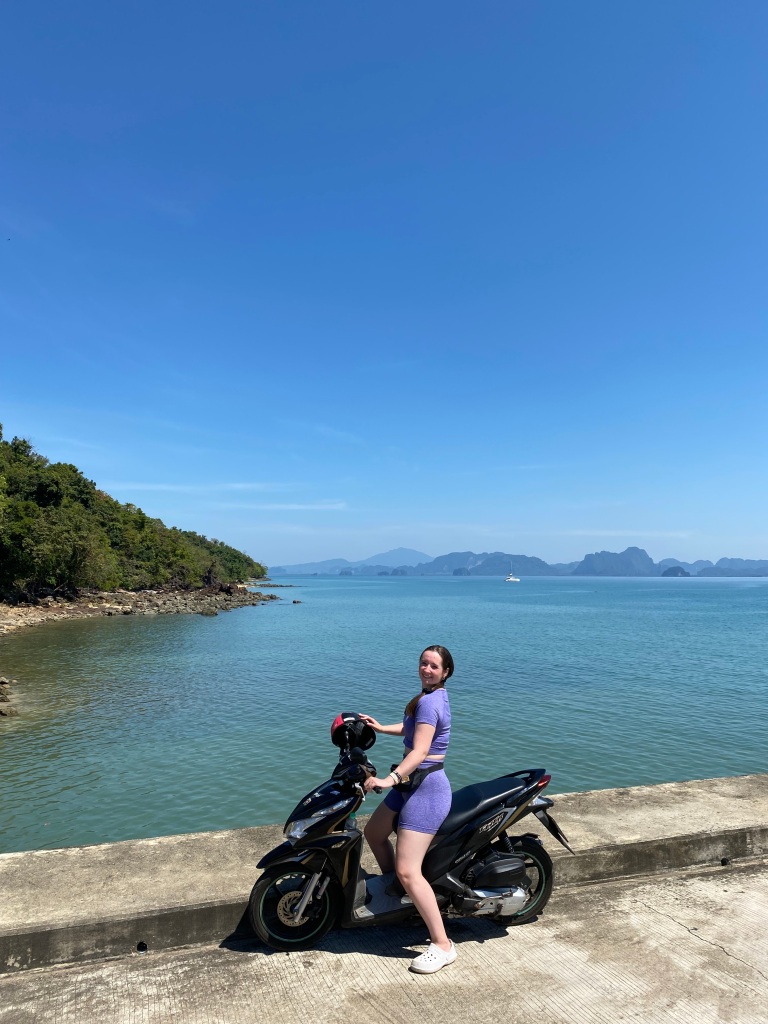
Renting scooters: While renting scooters is a fun experience, remember to ensure your safety when renting a scooter by wearing a helmet, following traffic rules, being familiar with driving, never riding under the influence and using navigation tools and parking securely. Some scooter rental places will ask for your passport as a deposit, NEVER give your passport to anyone as this is illegal of them to ask. Instead offer a cash deposit or a photocopy of your passport. I personally had people try to convince me to hand over my passport by telling me “no passport, no scooter”. That is fine, look for a different place to rent from if this is the case.
packing essentials
Sun cream!! Sun cream is so expensive in Southeast Asia so bring some with you from home.
Insect repellent: There is so many mosquitos and I would estimate that i got bitten over a hundred times while I was in Southeast Asia.
Insect bite zapper: I got one of these in my local drugstore and it was a LIFE SAVER. Mosquito bites are so itchy and I found myself nearly tearing my skin off but using this took the itch away almost instantly. It uses mild electrical impulses to soothe the affected area, reducing discomfort and itching. Highly recommend this.
Rain gear: It rains quite heavily in Southeast Asia during a storm so be prepared with a light rain jacket or poncho.
Medications/first aid: Before you visit Southeast Asia, stock up on whatever medications you my need, as you could find it hard to find a specific medication while you are there
Travel adapter: Make sure you research what country needs what type of adapter, and bring the correct ones.
Power bank: Very handy to have for emergencies.
Eyebrow dye/Eyelash dye: This is a bit of a specific one but there is literally nowhere in Southeast Asia that sold eyebrow or eyelash dye. So if like me, you dye your own eyebrows and eyelashes with dye at home- bring some with you.
 Lorraine’s Travels
Leave a comment